TL;DR
Most people bridge Solana to Ethereum to come home to mainnet: to settle, to hold, or to put capital into blue-chip DeFi like Aave, Uniswap, and ETH staking.
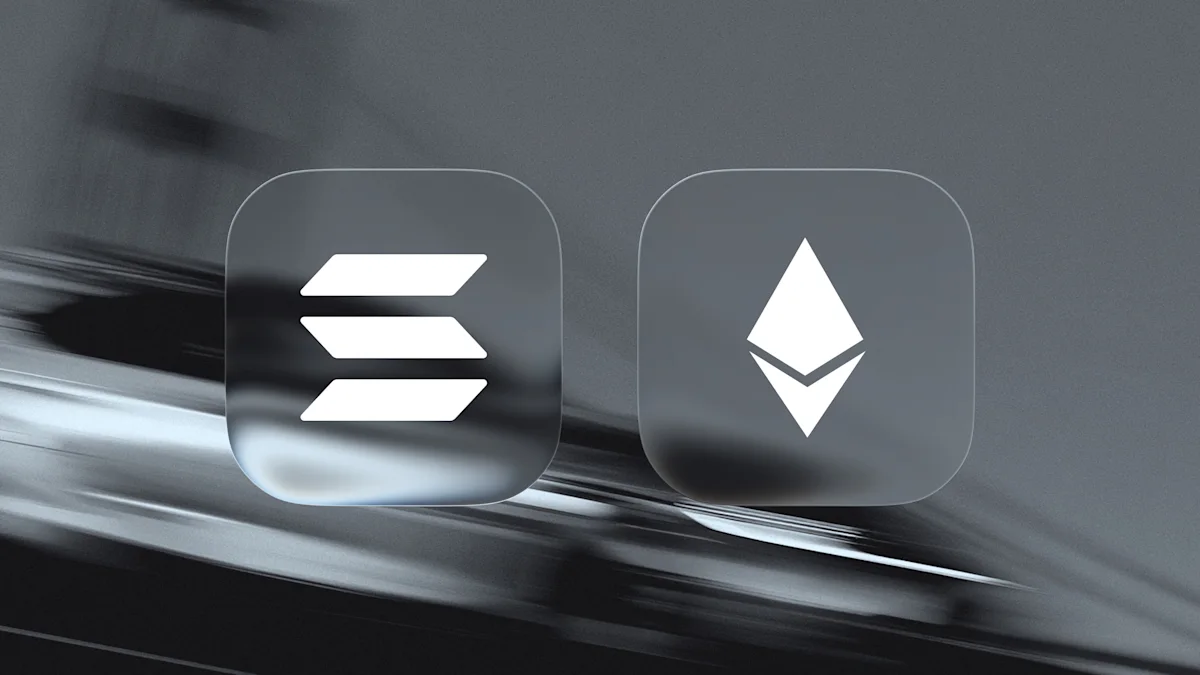
Across does the trip in one transaction with roughly 2-second fills, crossing from SVM to EVM without a centralized exchange in the middle.
Connect a Solana wallet and an Ethereum wallet, pick USDC on both ends, confirm once. Fees are quoted before you confirm, with nothing hidden in the rate.
The USDC that lands on Ethereum is native USDC, the same token mainnet DeFi prices against, not a wrapped bridge IOU.
Across has never been exploited at the protocol level since 2021.
You move capital to Ethereum mainnet for the reasons mainnet still wins: the deepest stablecoin liquidity in crypto, the lending markets institutions actually use, blue-chip DeFi like Aave and Uniswap, and ETH staking that lives nowhere else. When the position you want is on Ethereum, the USDC sitting on Solana has to get there first. That is the trip this guide covers: bridge USDC from Solana to Ethereum, in about two seconds, as native USDC you can deploy on arrival.
Native USDC Is What Makes the Landing Usable
The point of coming back to mainnet is to use what is there, so the token you arrive with matters more than on any other route. Across delivers native USDC, the canonical token Circle mints on Ethereum through CCTP, not a wrapped representation issued by a bridge. That is the exact token Aave's markets and Uniswap's deepest pools quote against. A wrapped stand-in trades in its own shallow liquidity and costs you on the way into a real position. With Across, the dollars you bridge in are the dollars mainnet already recognizes.
A Relayer Carries the Wait, So You Don't
A conventional bridge from Solana to Ethereum locks your USDC on Solana, passes a message to mainnet, and mints on arrival, with each step gated by the one before it. Ethereum's own confirmation times stretch the tail end further.
Across pays the wait up front instead. A relayer sees your Solana deposit, sends native USDC to your Ethereum wallet immediately, and gets reimbursed later out of a batched settlement. The relayer is the one exposed to finality during that gap; you already hold mainnet USDC. Fees are quoted before you confirm, scaled to size and route, with no spread buried in the rate.
Bridging Solana to Ethereum, Step by Step
Open the Across Ethereum bridge and connect both wallets: your Solana wallet as origin, your Ethereum wallet as destination.
Select Solana as the origin chain and USDC as the token you're sending.
Select Ethereum as the destination and USDC as what you want to receive.
Confirm in your Solana wallet. Your USDC arrives on Ethereum in about 2 seconds, ready to deploy.
The Reason to Send Size Home Through Across
Coming back to mainnet usually means coming back with the position you care about most, so the security record is the part that earns the route. Bridges are where crypto's largest exploits happened, and the SVM-to-EVM boundary is exactly the kind of complex surface where bugs hide. Across has cleared billions in volume since 2021 with no protocol-level exploit, with settlement backed by UMA's Optimistic Oracle and, in V4, Succinct's SP1 proofs. Mainnet is where you settle for keeps. The bridge that gets you there should be the part you think about least.