TL;DR
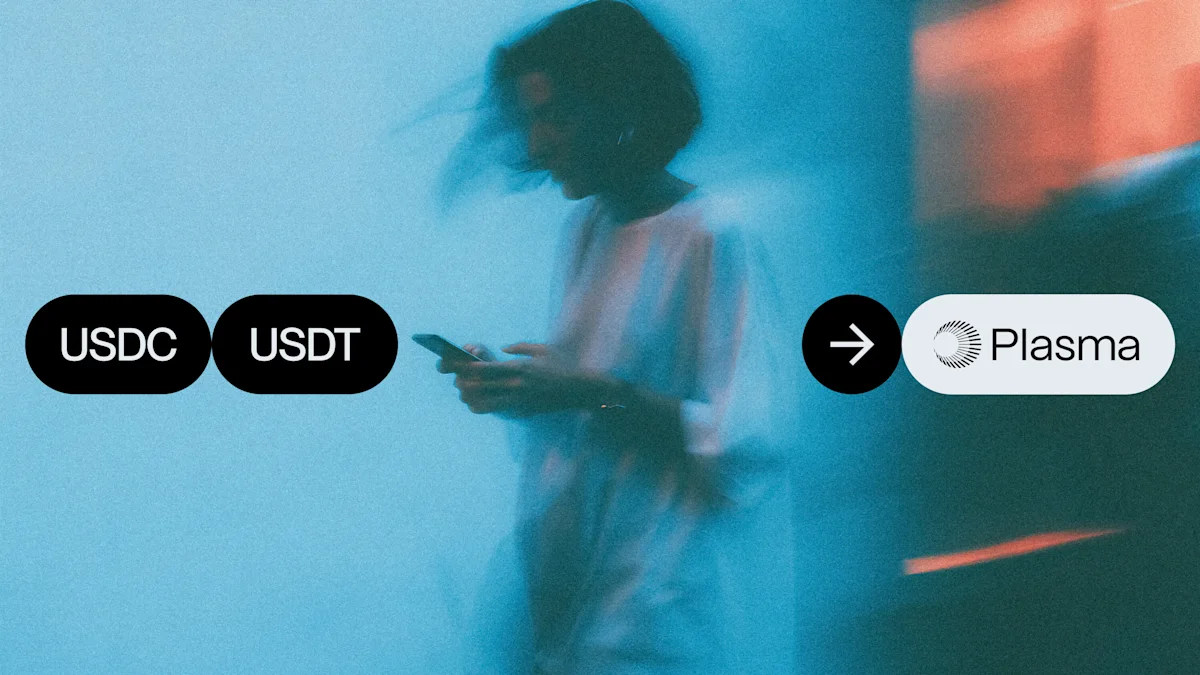
Plasma is a stablecoin-native Layer 1, EVM-compatible and Bitcoin-secured, purpose-built for dollar transfers at scale; getting USDC and USDT onto it is the first step.
Across routes USDT to Plasma through the OFT path (USDT0), a mint-and-burn mechanism that delivers native USDT, not a wrapped placeholder.
Native USDC moves through Circle's CCTP, also native on arrival; the protocol picks the mechanism, you don't.
Most fills settle in about two seconds because a relayer advances the funds on Plasma before settlement.
Across has run since 2021 across 20+ chains and its settlement layer has never been compromised. Bridging in costs a fee; Plasma's zero-fee USDT transfers apply to sending USDT once it is already on the chain.
Plasma is a blockchain that picked a side. Most Layer 1s court every category of activity at once, gaming, NFTs, perps, lending. Plasma was built for one thing: moving dollars. It is a stablecoin-native Layer 1, EVM-compatible and secured by Bitcoin, with a mainnet beta live since September 2025, and its signature feature is a protocol-level paymaster that lets you send USDT without holding the chain's native token. The chain assumes the asset you care about is a dollar. So the first practical step is plain: before you can use any of it, you have to bridge USDC and USDT to Plasma. The cleanest way to do that is through Across.
Across delivers native USDT to Plasma, not a wrapped substitute
Plenty of bridges will hand you a wrapped token that represents USDT somewhere else, an IOU you then have to unwind. Across does something different for USDT. It routes through the OFT path, the Omnichain Fungible Token standard behind USDT0, which burns USDT on the origin chain and mints it on Plasma. What lands in your wallet is native USDT on Plasma, the same asset Plasma's paymaster and its applications expect, with no wrapper to unwrap later.
This matters because of what Plasma is for. A chain optimized for dollar payments is only as useful as the dollars actually on it. A wrapped derivative sitting one redemption away from the real thing is a worse starting position than the canonical token, and the OFT route closes that gap on arrival.
USDC takes its own native path. Across moves it through Circle's Cross-Chain Transfer Protocol, so it arrives as real USDC rather than a bridged stand-in. Both stablecoins, each on its own native rail, requested the same way.
You pick the destination; the API picks the rail
Across runs three settlement mechanisms under a single Swap API: its core intents system, which handles most transfers; CCTP for native USDC; and OFT for native USDT0. You don't choose among them. You state the outcome you want, USDC or USDT on Plasma, and the protocol routes through whichever rail delivers the native asset fastest. That is what an intents protocol does. You declare the result; a competitive network of relayers races to fill it.
Speed comes from how the fill works. A relayer fronts the funds on Plasma the moment your deposit is confirmed, so most transfers finish in about two seconds instead of waiting on a slow canonical bridge. The settlement between relayer and protocol happens afterward, out of your way.
How to bridge USDC and USDT to Plasma
The flow is the same whichever stablecoin you are moving.
Open the Plasma bridge route on across.to. The destination is preset to Plasma.
Select your origin chain, the network where your USDC or USDT currently sits, from Ethereum, Arbitrum, Base, or any other supported origin.
Choose USDC or USDT as the token and enter the amount. The interface shows the quote, the fee, and the amount that will arrive.
Connect your wallet and confirm the deposit. Across routes USDC through CCTP and USDT through the OFT path automatically.
Watch for the funds on Plasma. Native USDC or native USDT typically lands in about two seconds.
For developers wiring this into an app, the same routing is available programmatically through the Across Swap API, which returns ready-to-sign calldata and selects the settlement rail without you hard-coding it.
What is free on Plasma and what bridging actually costs
Plasma's headline is zero-fee USDT transfers, and it is real, but it is worth being precise about scope. The paymaster sponsors gas for simple USDT transfers that happen on Plasma, so once your USDT is on the chain you can send it to another Plasma address without holding the native token for gas. Bridging USDT and USDC to Plasma in the first place is a separate action, and it carries a bridge fee like any crosschain transfer. The free part begins after your dollars arrive, not on the way in.
On security: Across has operated since 2021, settles across 20+ chains, and has never suffered a protocol-level exploit. Transfers are backed by relayer capital and verified through UMA's optimistic oracle.
Plasma was built to hold dollars. Bridging is the part where you get your USDC and USDT through the door as the real asset, and the OFT and CCTP routes do exactly that.